

A digital clock is a timekeeping device that displays the time in numeric form, rather than the traditional analog style with hour and minute hands. It typically uses a digital display made up of numbers or digits, usually using either LED (Light Emitting Diode) or LCD (Liquid Crystal Display) technology.
How Does a Digital Clock Work?
Electronic Circuitry: Digital clocks use an electronic oscillator (often a quartz crystal) to keep time. The crystal vibrates at a precise frequency when an electric current is passed through it. This frequency is used to generate regular time intervals (like seconds).
Display: These time intervals are then converted into a readable digital format (HH:MM:SS or a similar format) and shown on the display.
Power Source: Digital clocks typically run on AC power (plugged into a wall outlet) or DC power (using batteries).
Timekeeping Functions: Digital clocks often feature additional functions, such as:
Alarms: Setting a wake-up or reminder time.
Timers: For countdown or time-limited activities.
Calendars: Displaying the date along with the time.
Backlighting: Many digital clocks have adjustable lighting for visibility in dark environments.
Types of Digital Clocks
Wall Clocks: Common in homes and offices.
Alarm Clocks: Designed specifically for waking up, often with sound or vibration features.
Smart Clocks: Integrated with other smart home systems (like Alexa or Google Assistant) and can be controlled by voice.
Portable Clocks: Small, battery-operated clocks used for travel or in places without easy access to power.
Advantages of Digital Clocks
Accuracy: Digital clocks are highly accurate and rarely need manual adjustments.
Ease of Reading: They display time directly as numbers, making it easy to read at a glance.
Extra Features: Many offer additional functions, such as alarms, calendars, and temperature readings.
No Moving Parts: Unlike analog clocks, there are no mechanical gears or hands that could wear out.
Common Issues
Power Loss: If the power goes out, some digital clocks (especially the ones without battery backup) may reset to an incorrect time.
Display Problems: Sometimes, the screen might malfunction, such as fading digits or entire segments not lighting up.
Battery Drain: If it's battery-powered, you may need to replace the battery periodically.
If you were asking something different related to "digital cloc, " feel free to clarify!
You said:
lock mahiti
ChatGPT said:
ChatGPT
It seems like you're asking for information about a lock ("lock mahiti" in Marathi). Here is a detailed overview of locks:
What is a Lock?
A lock is a mechanical or electronic device used to secure doors, containers, and other items, preventing unauthorized access. It typically uses a key, code, or biometric authentication to control access. Locks are essential for security in homes, offices, safes, cars, and many other places.
Types of Locks
Mechanical Locks:
Pin Tumbler Lock: One of the most common types of locks, typically found in residential doors. It uses a series of pins that align correctly when the right key is inserted.
Deadbolt Lock: A type of lock that offers increased security, as it can only be locked/unlocked by turning a key, not by a simple handle. Often used for doors.
Padlock: A portable lock that can be used for securing gates, lockers, or other items. It usually has a key or combination mechanism.
Mortise Lock: Installed within the door itself, this lock is often used in high-security areas like commercial buildings. It requires a key to operate.
Electronic Locks:
Keypad Lock: These locks require a numeric code to unlock, which can be set by the user. They are often found in places where quick access is needed, like hotel rooms.
Biometric Locks: Use fingerprints, retina scans, or facial recognition for access. These are commonly used in high-security locations, such as offices or safe deposit boxes.
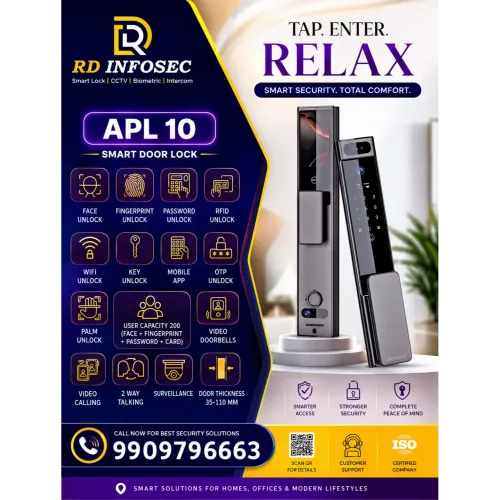
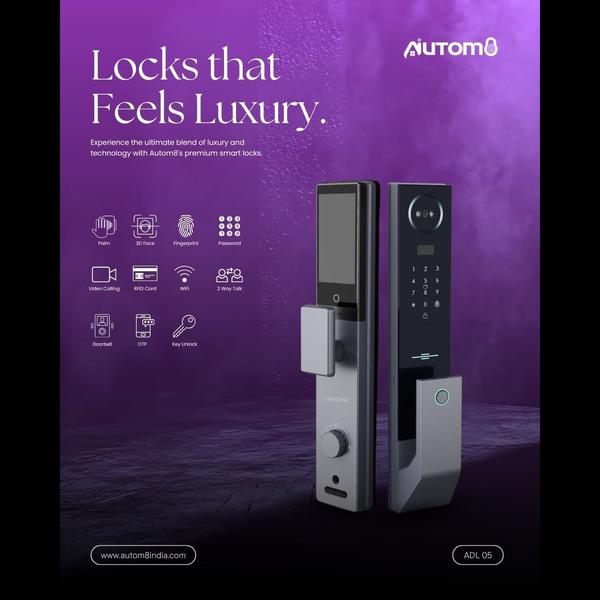
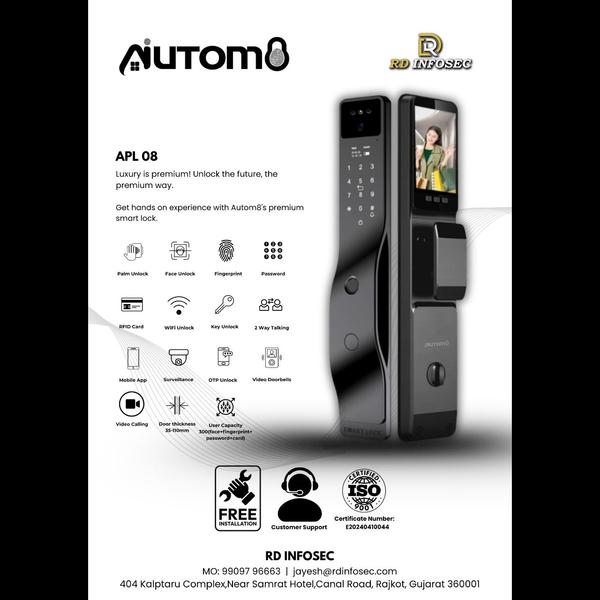
Smart Locks: These can be controlled using a smartphone app, and some models offer additional features like remote unlocking or tracking of when the lock is used.
Combination Locks:
Dial Combination Lock: Commonly used on lockers, these locks require the user to turn a dial to specific numbers in a set sequence to open.
Push-Button Combination Lock: Instead of a dial, these locks have a keypad with a series of buttons that must be pressed in the correct order to open.
Specialty Locks:
Cylinder Locks: Used in various applications, including doors, cars, and safes. They require a rotating cylinder to align pins or levers to release the lock.
Chain Lock: Often used on doors or gates, this lock involves a chain looped through a securing point and fastened by a lock.
How Do Locks Work?
Pin Tumbler Mechanism: In pin tumbler locks, a key pushes a series of pins to different heights. When the pins align, the lock can turn and open. The key is designed to match the specific arrangement of pins.
Combination Locks: In combination locks, you have to input a specific sequence of numbers or actions (turning a dial a certain number of times) to unlock the device.
Electronic Mechanisms: In electronic locks, the lock opens by entering a code on a keypad, using a card, or scanning a fingerprint. The system then sends an electronic signal to disengage the lock.
Advantages of Locks
Security: Locks provide physical protection against unauthorized access and theft.
Privacy: Personal spaces or valuable items can be secured with locks, ensuring privacy.
Access Control: Locks help manage who can enter a certain space, whether it's a home, office, or vehicle.
Common Problems with Locks
Lost Key: If a key is lost, it can prevent access. Sometimes the lock needs to be rekeyed or replaced.
Broken Lock Mechanism: Over time, a lock can become jammed or worn out, requiring maintenance or replacement.
Forgotten Code or Combination: For electronic or combination locks, users might forget the access code or combination, which could lock them out.
Lock Security Tips
Change Your Locks: If you move into a new home or business location, it's always a good idea to change the locks.
Use Stronger Locks: High-security locks like deadbolts or smart locks provide greater protection.
Key Control: Keep track of keys to avoid unauthorized access. Don't leave keys under mats or in obvious places.
Conclusion
Locks are essential for protecting property and personal space. They come in many forms, from traditional mechanical locks to modern electronic and biometric systems. Each type of lock serves specific needs based on security, convenience, and technological advancements.
Let me know if you want more details on any specific type of lock!