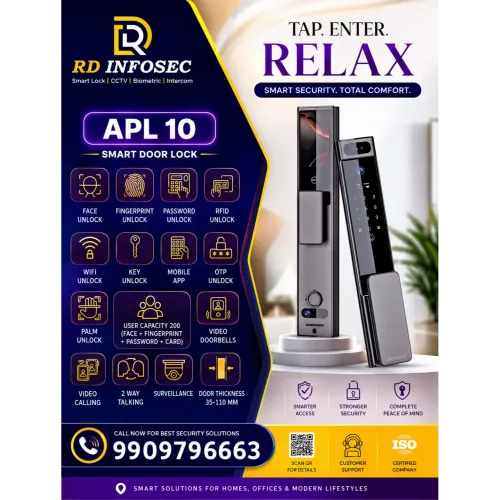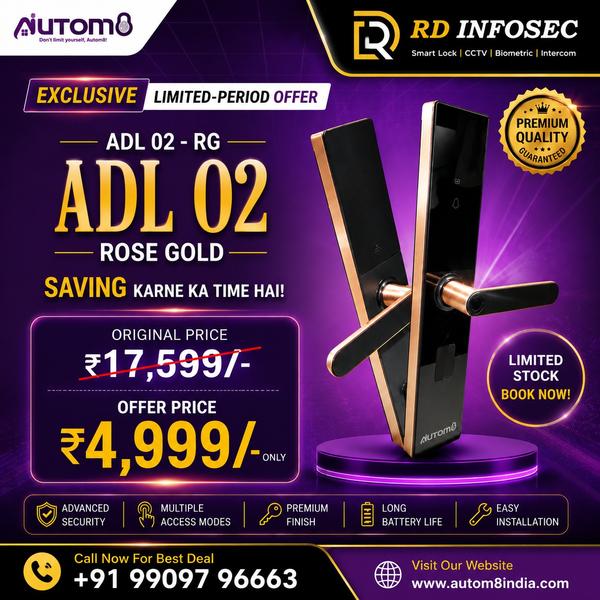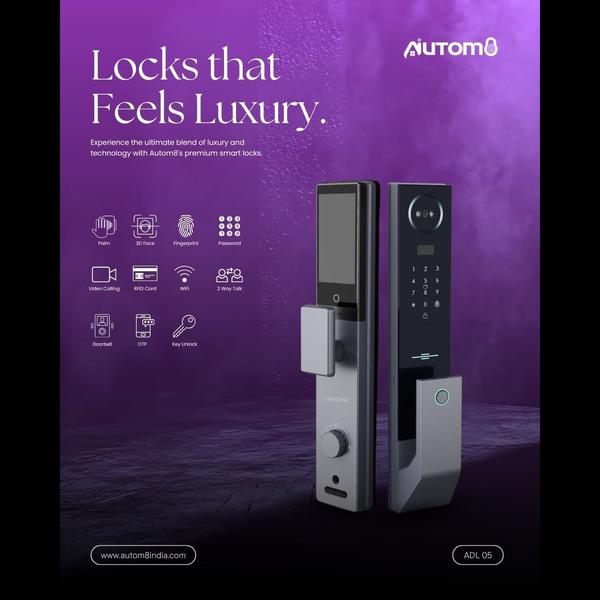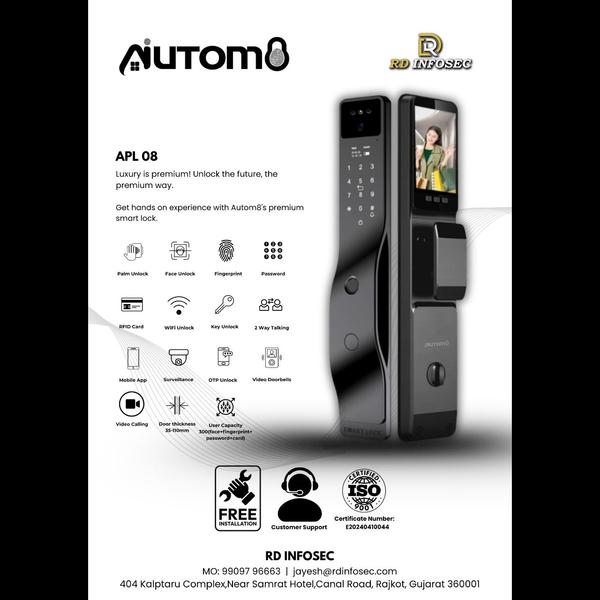


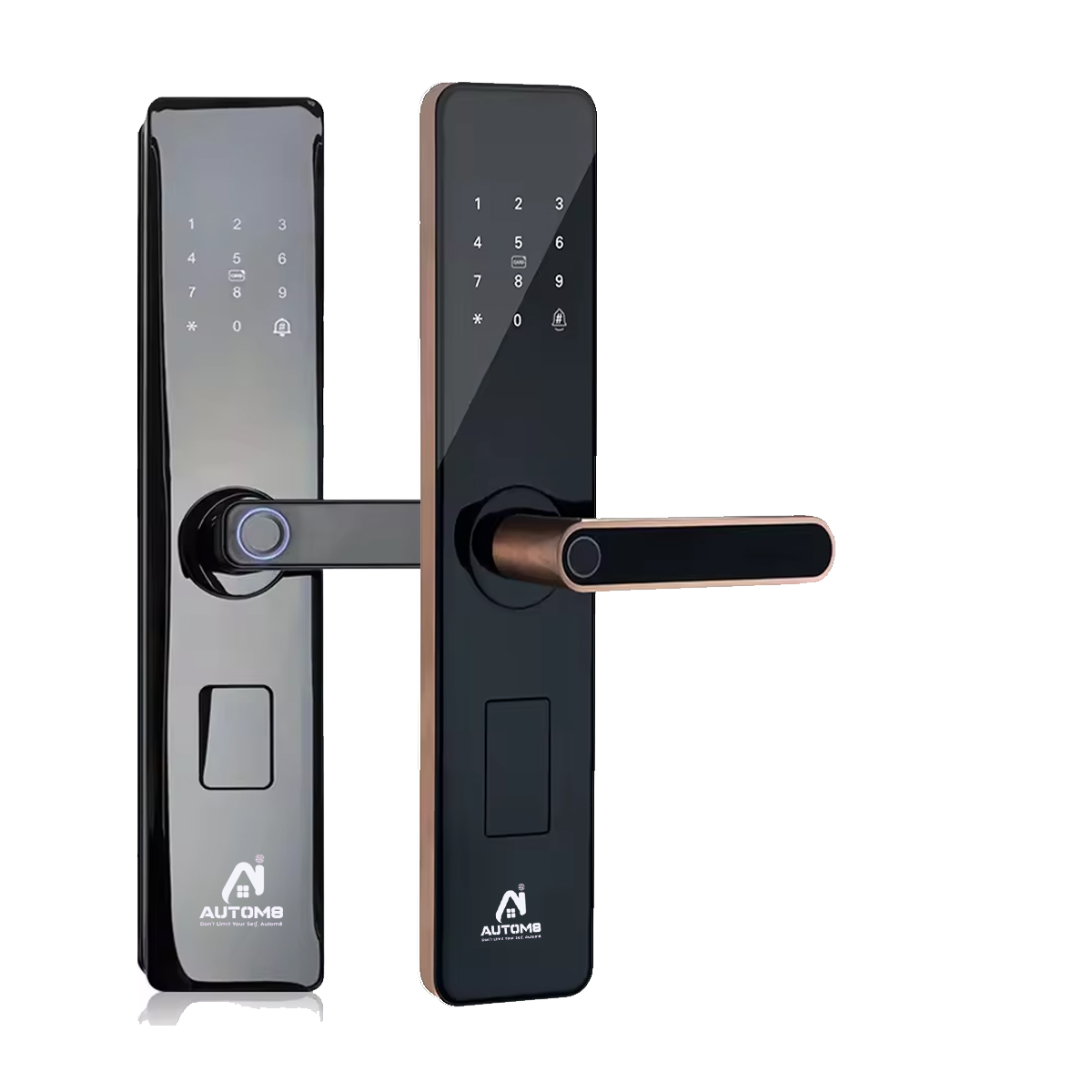
A digital lock is a type of locking mechanism that uses electronic or digital technology to secure and unlock doors, gates, cabinets, or other types of entryways, replacing traditional mechanical locks like those operated by keys. Digital locks are commonly used in residential, commercial, and industrial settings due to their convenience, security, and modern features.
Key Features of Digital Locks:
Keypad Entry: Many digital locks come with a keypad where users can input a passcode (PIN) to gain access. This eliminates the need for physical keys and reduces the risk of lost or stolen keys.
Biometric Authentication: Some digital locks use biometric sensors, such as fingerprint recognition or facial recognition, to grant access. This provides a high level of security, as biometrics are unique to each individual.
Smartphone Integration: With the advent of smart home technology, some digital locks are compatible with smartphones via Bluetooth or Wi-Fi. Users can lock or unlock the door remotely, monitor access logs, and even provide temporary access to visitors through mobile apps.
RFID (Radio Frequency Identification): Certain digital locks operate using RFID cards or fobs, which communicate with the lock via radio waves. Users swipe or tap the card/fob near the lock to open it.
Security Features: Many digital locks include additional security features, such as encryption to protect against hacking, alarms for tampering, and automatic locking mechanisms. Some also have features that track the time and date of each access event, enhancing accountability.
Battery-Powered: Digital locks often run on batteries, though some may have backup power options in case of battery failure. This allows the locks to continue functioning even when there is no power supply.
Fail-Safe Mechanisms: In cases where the system experiences a malfunction or a power failure, digital locks often have fail-safe systems that allow the door to open via a manual key override or an emergency backup.
Types of Digital Locks:
Standalone Digital Locks: These locks do not require additional systems or networks to function. They operate independently with features like PIN codes or biometric scans.
Networked Digital Locks: These locks are part of a larger security system. They can be connected to a centralized server or cloud system, allowing for remote monitoring, control, and data storage.
Smart Locks: A subset of digital locks, smart locks are integrated with home automation systems and allow users to control them through mobile apps, voice commands, or automation triggers (e.g., unlocking when the user approaches).
Advantages of Digital Locks:
Enhanced Security: With features like complex passcodes, biometric authentication, and encryption, digital locks offer a higher level of security compared to traditional locks.
Convenience: Users don't need to carry physical keys or remember to lock doors manually. The lock can be controlled remotely, and access can be granted without physical contact.
Access Control: Digital locks can track who accessed a location, when, and for how long. This feature is particularly useful in businesses or rental properties.
Flexibility: Digital locks offer greater flexibility in how access is granted. Users can change PIN codes or add/remove authorized individuals easily without needing to change the entire locking system.
Disadvantages of Digital Locks:
Battery Dependency: Digital locks rely on batteries, so a lack of power can render the lock useless if not maintained.
Cost: Digital locks can be more expensive than traditional locks due to the technology and features involved.
Vulnerability to Hacking: While digital locks are generally secure, like any connected device, they can be vulnerable to hacking or electronic tampering, especially when connected to the internet or other smart systems.
In conclusion, digital locks are an important advancement in security technology, providing convenience, increased security, and advanced features that traditional mechanical locks cannot offer. They are becoming an integral part of smart homes and businesses, offering greater control and flexibility over who has access to different areas.
Autom8 dealer in rajkot
Autom8 distributor in rajkot
Autom8 wholesaler in rajkot
Autom8 supplier in rajkot
Digital lock dealer in rajkot
Smart lock dealer in rajkot
Fingerprint lock dealer in rajkot
Bluetooth smart lock in rajkot
Fingerprint smart lock in rajkot
Smart home security in rajkot
Smart door lock in rajkot
Electronic door lock in rajkot
Home automation lock in rajkot
Smart lock installation in rajkot
Digital door handle in rajkot
Security door lock in rajkot