


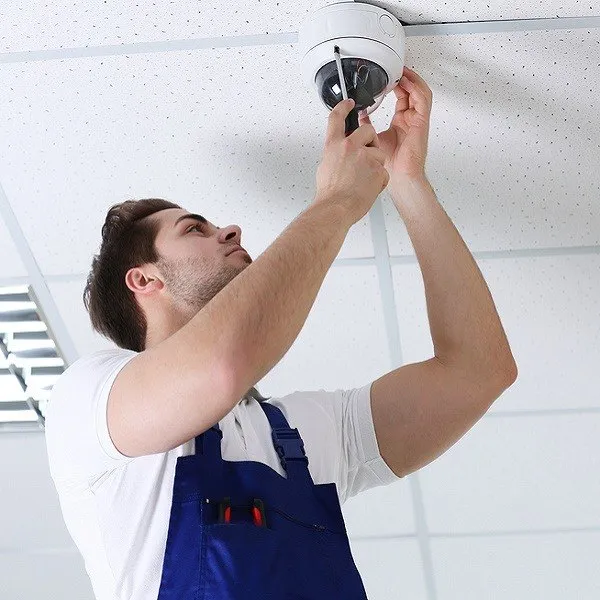
CCTV Camera Installation and Service
CCTV (Closed Circuit Television) cameras have become a crucial component in security systems for homes, businesses, and public areas. They provide continuous surveillance and help in monitoring activities, enhancing security, and deterring criminal behavior. Proper installation and ongoing service are essential to ensure the effectiveness and longevity of the system. Here’s a detailed guide about CCTV camera installation and service:
CCTV Camera Installation
1. Site Assessment Before installing CCTV cameras, a professional security expert will assess the area to understand the best locations for camera placement. Factors such as the layout of the premises, areas of vulnerability, and light conditions (day/night) are taken into account. Common areas to install cameras include entrances, parking lots, corridors, hallways, and high-risk zones.
2. Choosing the Right CCTV Cameras Selecting the right type of CCTV cameras is vital for achieving optimal security:
Analog Cameras: Affordable and basic; suitable for smaller areas.
IP Cameras: High-definition cameras that connect to a network and offer superior image quality. These are ideal for larger premises or areas requiring high-detail footage.
Dome Cameras: Discreet and durable, ideal for indoor environments.
Bullet Cameras: Typically used outdoors due to their weatherproofing and long-range capabilities.
PTZ Cameras: Pan, tilt, and zoom cameras that can be remotely controlled for adjustable surveillance coverage.
3. Wiring and Power Supply Depending on the type of cameras (wired or wireless), the wiring process will either involve running cables through walls and ceilings or setting up wireless networks. For wired cameras, coaxial or Ethernet cables are used for video transmission. A reliable power supply needs to be established, ensuring continuous operation of the cameras.
4. DVR/NVR Setup
DVR (Digital Video Recorder): For analog cameras, a DVR system is used to record and store footage. The DVR is connected to the cameras via coaxial cables.
NVR (Network Video Recorder): For IP cameras, an NVR system is required. The NVR records digital footage transmitted through the network.
5. Camera Calibration and Testing After installation, each camera is calibrated for optimal viewing angles. The security expert will ensure that cameras cover all necessary areas, with minimal blind spots. The system will also be tested to confirm video clarity, camera motion detection, night vision, and proper recording.
6. Connectivity and Remote Viewing For advanced systems, remote access allows users to view live footage via smartphones, tablets, or computers. This can be set up using apps or web portals, enabling real-time monitoring even when away from the premises.
CCTV Camera Service
To ensure that CCTV cameras function efficiently over time, regular servicing and maintenance are crucial. Here’s a breakdown of the essential services required for CCTV systems:
1. Regular System Checks Periodic checks of the entire CCTV system, including cameras, recording devices, and the network, ensure everything is functioning properly. This includes checking camera lenses, angles, and connections. The technician will look for any damage, obstruction, or malfunction.
2. Software Updates Many CCTV systems have software components that require updates to improve security, fix bugs, or add new features. Keeping the firmware updated helps maintain system stability and improves its resistance to cyber threats.
3. Cleaning the Cameras Outdoor CCTV cameras are particularly vulnerable to dust, dirt, and weather conditions. Cleaning the camera lenses regularly ensures high-quality image capture. Technicians use appropriate cleaning materials to avoid damaging the camera or its sensitive components.
4. Troubleshooting and Repair If the CCTV system faces issues such as poor image quality, connectivity problems, or complete failure, service professionals will conduct troubleshooting. This may involve repairing or replacing faulty cameras, cables, or recording equipment.
5. Storage Management For systems that record and store large volumes of footage, ensuring the storage device is functioning correctly is essential. Over time, hard drives or cloud storage can fill up, so data management (such as deleting old footage or upgrading storage capacity) is part of regular maintenance.
6. Upgrades and System Expansion As technology evolves, CCTV systems may require upgrades to remain efficient. This could involve adding more cameras, upgrading to high-definition models, or integrating new technologies like facial recognition or motion detection. A service provider can help design an expansion plan to meet your evolving security needs.
7. Monitoring and Reporting Some CCTV services offer ongoing monitoring and reporting to track camera status, detect potential issues early, and analyze recorded footage. Professional monitoring can also assist in identifying security threats and responding to incidents in real time.
Benefits of Professional CCTV Installation and Service
Improved Security: A well-installed and maintained CCTV system provides constant surveillance, deterring criminal activities, and offering valuable evidence in case of incidents.
Professional Expertise: Professionals have the knowledge and experience to choose the right equipment, install it properly, and maintain it effectively.
Convenience: With remote viewing and automated monitoring, you can access your CCTV system from anywhere, ensuring peace of mind.
Long-Term Performance: Routine maintenance extends the lifespan of your CCTV system, preventing costly repairs and replacements.
Conclusion
CCTV camera installation and service go hand in hand to create a reliable security system. Professional installation ensures the system is tailored to your specific needs, while regular servicing guarantees optimal performance. Whether for residential or commercial purposes, maintaining a CCTV system is crucial for achieving a high level of security and peace of mind.